Upholstery cleaning, Melbourne
Give Your Upholstery a Fresh Start
Sofas, armchairs and dining chairs take a lot of everyday use. Professional upholstery cleaning can help refresh fabric furniture and lift accumulated dirt, dust and everyday marks, depending on the material and its condition.
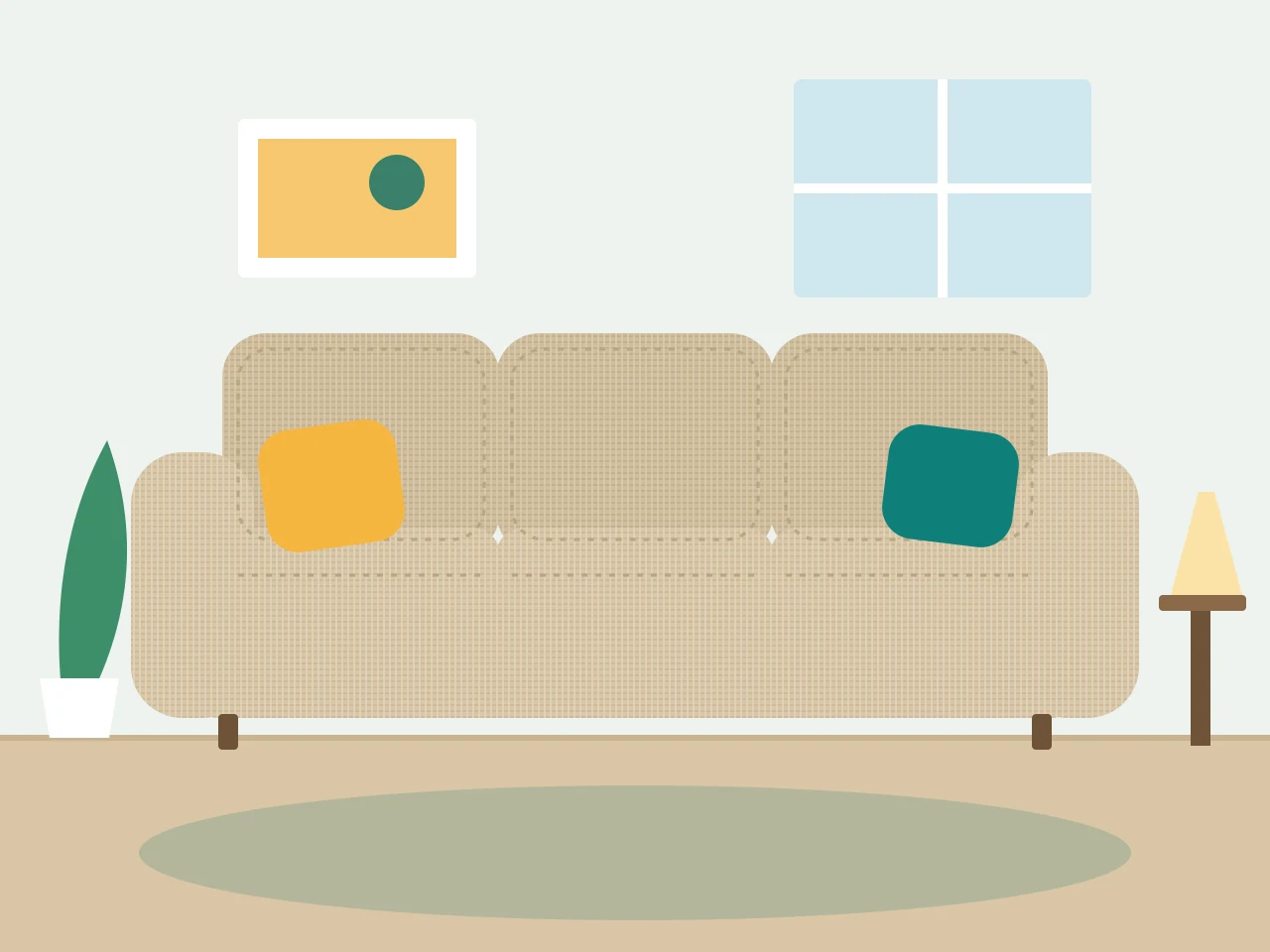
Where furniture shows everyday use
Some parts of a sofa work harder than others. These are general patterns, not a promise of what every clean will achieve.
Seat cushions
Everyday contact and accumulated dirt.
Armrests
High-contact areas that can show wear and marks.
Back cushions
Regularly exposed to dust and everyday use.
Fabric surfaces
The cleaning approach depends on the material and its condition.
Your furniture gets used every day.
Movie nights, meals on the couch, kids, pets and long days. Over time, upholstered furniture gradually collects the traces of ordinary life, which can leave fabric looking duller and more worn than it is.
- Dust
- Everyday dirt
- Food and drink marks
- Body oils
- Pet hair and debris, where there are pets
- General signs of use
Furniture we're often asked about
Suitability depends on the material and how the piece is made. Some materials, like leather, suede or delicate and antique fabrics, may need a specialist.
Sofas & couches
Two-seaters, three-seaters and modular lounges.
Armchairs
Reading chairs and occasional chairs.
Fabric chairs
Upholstered accent and bedroom chairs.
Dining chairs
Fabric seats and backs that see daily meals.
Ottomans
Footstools and upholstered benches.
Cushioned furniture
Removable and fixed cushions on other pieces.
Not every fabric is the same.
A cotton-blend sofa, a velvet armchair and a set of dining chairs can each respond very differently to cleaning. That's why the approach should be considered for each piece before any treatment starts, rather than applying one method to everything.
Always follow the manufacturer's care instructions for your specific furniture, and let us know what they say.
What the approach depends on
- Fabric or material
- Manufacturer's care instructions
- Colour and dye
- Age of the piece
- Previous treatment
- Current condition
- Type of stain
- How it's constructed
- How accessible it is
Stains & marks
Common upholstery marks
- Food marks
- Drink spills
- Everyday dirt
- General grime
- Marks from frequent use
Results can vary with
- How long it's been there
- The material
- Previous cleaning attempts
- What the substance is
- The condition of the fabric
Many everyday marks can be improved, but not every stain can be removed, and results can't be guaranteed. Older marks, some substances and fragile fabrics can be harder to shift.
What we look at before cleaning
Upholstery cleaning isn't one-size-fits-all. A few questions come first, so the approach suits the piece in front of us.
Before we clean
- 01
Material
What is the upholstery made from?
- 02
Condition
What condition is it in right now?
- 03
Areas of concern
Where are the marks or the most-used areas?
- 04
Cleaning requirements
What approach is appropriate for this piece?
The cleaning experience
Assess
Understand the furniture and the cleaning requirements.
Prepare
Prepare the upholstery appropriately before cleaning.
Clean
Carry out the appropriate cleaning process.
Review
Check the cleaned areas and the overall result.
Everyday furniture care
A few general habits can help between cleans. They won't suit every material, so check first.
- Deal with spills promptly by blotting rather than rubbing.
- Vacuum upholstered surfaces where appropriate, using a soft attachment.
- Avoid aggressive DIY treatments and strong household chemicals.
- Avoid soaking fabric; excess moisture can cause problems for some materials.
- Keep any care labels or manufacturer information for the piece.
- Tell us about previous treatments or products used before a professional clean.
Always follow the manufacturer's care instructions for your specific furniture.
Who this service can help
Busy households
Furniture gets everyday use and could do with a refresh.
Families
High-use seating tends to gather marks from meals, play and daily life.
Rental properties
Upholstered furniture may need attention between occupants, where applicable.
Airbnb hosts
Furniture can need cleaning as part of getting a property ready for guests.
Every Piece of Furniture Is Different
There's no fixed price for upholstery cleaning. We look at what you have and prepare a quote from the details you give us.
Tell Us About Your Upholstery- Type of furniture
- Number of items
- Material
- Condition
- Cleaning requirements
- Location and access
FAQs
Upholstery Cleaning FAQs
Straight answers about fabrics, stains and quotes.
What types of upholstery can be cleaned?
Common fabric furniture such as sofas, couches, armchairs, fabric chairs, dining chairs, ottomans and cushioned pieces. Suitability depends on the material and condition, so tell us what the piece is made from when you ask for a quote. Some materials, such as leather, suede or delicate and antique fabrics, may need a specialist.
Can you clean sofas and couches?
Yes. Sofas and couches are among the most common pieces we're asked about. Let us know the size, the fabric and any areas of concern, such as the seat cushions or armrests.
Can stains be removed from upholstery?
Many everyday marks can be improved, but not every stain can be removed. Results depend on the type of stain, how long it's been there, the material, the condition of the fabric and any previous cleaning attempts.
Does every fabric need the same cleaning method?
No. Materials differ in how they respond to cleaning, so the approach is considered for each piece, taking into account the fabric, the manufacturer's care instructions, its condition and the marks involved.
How often should upholstery be cleaned?
It depends on how much the furniture is used. Pieces in busy homes, or homes with children or pets, tend to need attention more often than furniture that's used occasionally. Regular vacuuming and prompt attention to spills help in between.
Can I add upholstery cleaning to another service?
You can ask. Mention the upholstery when you request a quote for another clean, such as a deep clean or an end of lease clean, and we'll include it in the discussion.
What should I include when I request a quote?
The type and number of pieces, what they're made from, their condition, any specific marks or areas of concern, any previous treatment, and your suburb. Photos are welcome if you email us.
How do I request upholstery cleaning in Melbourne?
Use the quote form and choose upholstery cleaning, or get in touch through the contact page. Tell us about the furniture and your suburb, and we'll talk through the next step.
More questions? Read the full FAQ
Ready to Refresh Your Furniture?
Tell us what you'd like cleaned, what it's made from and any marks you're worried about, and we'll take it from there.